A Comprehensive Guide for U.S. Business Owners, Startups & CPA Firms
In today’s digital business environment, financial fraud, tax disputes, employee theft, cybercrime, and mismanaged bookkeeping can destroy a business.
That’s where forensic accounting comes in.
This blog will explain:
- What forensic accounting is
- What forensic accountants actually do
- Why businesses might need one
- How your bookkeeping, accounting & payroll process prevents fraud
- Why outsourcing to an expert support team (like Numerawise Solutions LLC) saves time and protects your business
What Is Forensic Accounting?
Forensic accounting is a specialized branch of accounting that investigates financial discrepancies, fraud, embezzlement, manipulation, tax violations, and monetary disputes.
The term “forensic” comes from the Latin forensis, meaning “suitable for use in court.”
This means that forensic accountants don’t just analyze numbers — they prepare evidence strong enough to be used legally.
In simple terms:
👉 Forensic Accounting = Accounting + Investigations + Legal Evidence
It combines:
- Accounting principles
- Auditing techniques
- Data analysis
- Law & regulatory compliance
Forensic accounting is used by:
- Small & mid-size businesses
- Insurance companies
- Attorneys
- Government agencies
- CPA firms
- Courts & law enforcement
- Private individuals in disputes
What Does a Forensic Accountant Do?
Forensic accountants work like financial detectives.
They don’t just record numbers — they analyze behavior, patterns, and financial trails.
Here’s what they typically do:
1. Investigate Financial Fraud
Fraud can come from:
- Employees
- Vendors
- Partners
- Contractors
- Customers
- Even accounting staff
Examples of fraud forensic accountants detect:
- Fake invoices
- Ghost employees
- Expense manipulation
- Payroll fraud
- Tax evasion
- Asset misappropriation
- Cash skimming
- Inventory theft
2. Analyze Company Financial Statements
They dig deep into:
- Bank records
- Purchase orders
- Expense reports
- Inventory
- Payroll
- Contracts
- Credit card transactions
- Accounting ledgers
Their job is not surface-level.
They analyze how transactions connect and whether numbers make logical sense.
3. Provide Litigation Support
Forensic accountants often work with attorneys.
They prepare:
- Court-ready documentation
- Valuations
- Expert testimony
- Financial analysis reports
- Discovery evidence
- Audit trails
- Digital accounting records
If your business is in legal trouble, a forensic accountant can testify in court.
4. Insurance & Claims Investigation
Businesses file claims such as:
- Property damage
- Business interruption
- Employee fraud
- Revenue loss
- Contract disputes
The insurer doesn’t trust numbers on face value.
A forensic accountant verifies the real financial impact.
5. Cybercrime & Digital Forensics
Modern fraud happens digitally:
- Online payments
- ACH fraud
- Payroll hacks
- Crypto misappropriation
- Supplier impersonation
Forensic accountants use software tools like:
- EnCase
- IDEA
- ACL Analytics
- SQL audits
- QuickBooks forensic logs
- ERP audit history
They uncover digital footprints.
6. Divorce & Partnership Disputes
Forensic accountants:
- Determine real net worth
- Identify hidden assets
- Validate income sources
- Trace offshore accounts
- Analyze selfish withdrawals
- Detect suspicious transactions
If a partner stole from your business — a forensic accountant is your weapon.
When Does Your Business Need a Forensic Accountant?
You might not realize fraud is happening until it’s too late.
Watch for these red flags:
1. Books never match
- Bank mismatch
- Balance sheet errors
- Missing invoices
2. Sudden cashflow problems
Revenue is stable but money disappears.
3. Unusual payroll activity
- Strange overtime
- Duplicate employees
- Bonuses without approval
4. Vendor or supplier manipulation
- inflated bills
- collusion
- kickbacks
5. Major tax discrepancies
IRS notices = a forensic audit is needed.
6. Partner or staff lifestyle changes
New cars, vacations, unexplained wealth.
These are common signals of internal theft.
Forensic Accounting Is NOT Just For Big Corporations
Small & mid-size businesses in the U.S. face more fraud risk than large enterprises because they often lack:
- Strong bookkeeping practices
- Internal controls
- Segregation of duties
- HR compliance
- Auditing systems
- Fraud detection software
This vulnerability makes them the #1 target for fraud.
And here is the painful truth:
Fraud usually happens from someone inside the company who knows how the books work.
How Proper Bookkeeping & Accounting Prevents Fraud
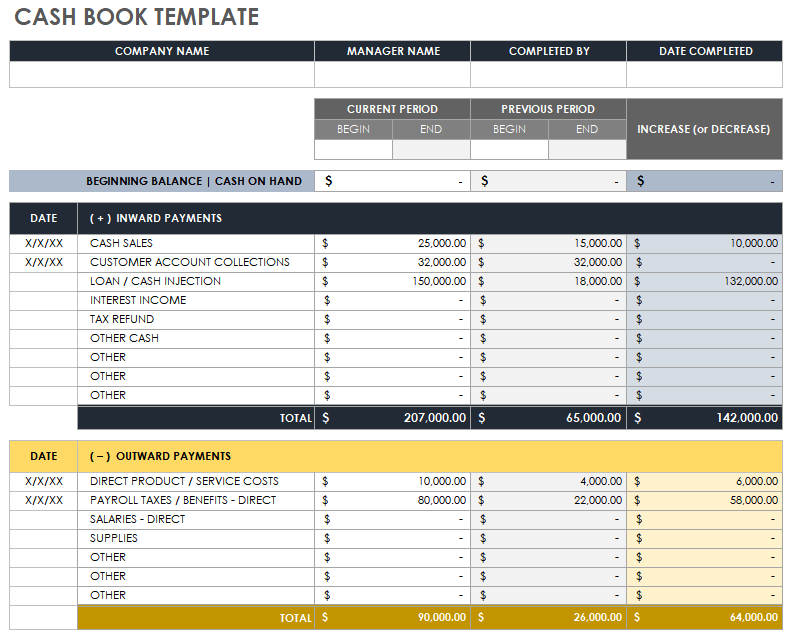
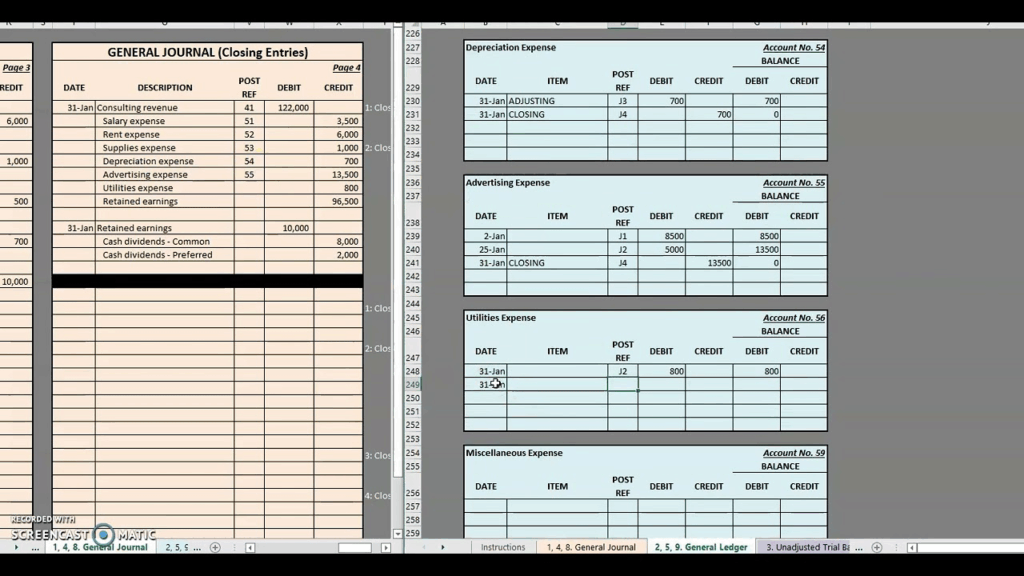
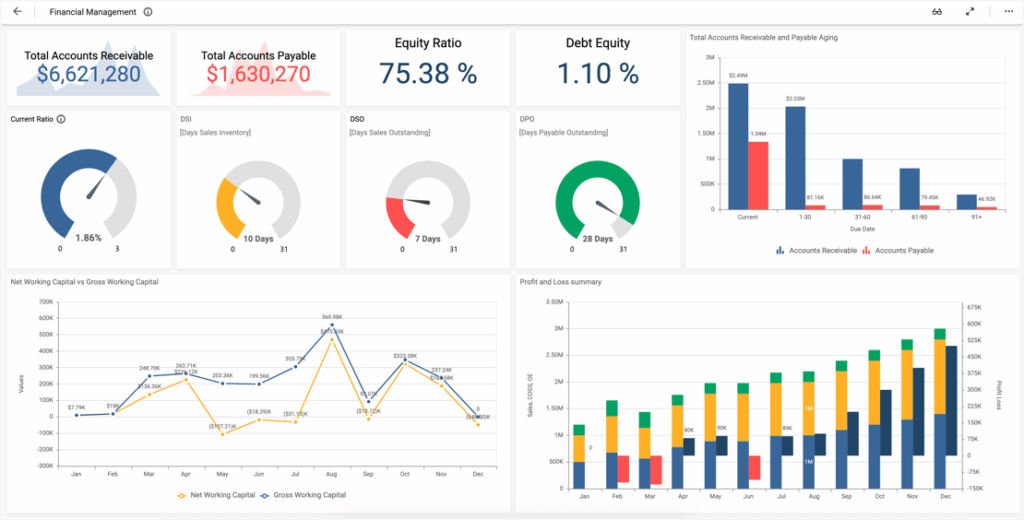
You don’t always need a forensic accountant.
You need a strong accounting system that makes fraud impossible in the first place.
Professional bookkeeping prevents:
- Fake expenses
- Duplicate payments
- Vendor scams
- Payroll manipulation
- Cash skimming
- Asset theft
- Misreporting
Key protections:
✔ Segregation of duties
✔ Bank reconciliations
✔ Digital bookkeeping
✔ Approval workflows
✔ Payroll checks
✔ Tax compliance
✔ Vendor verification
A business with well-maintained books rarely becomes a fraud victim.
Role of Payroll Management in Preventing Financial Crime
Payroll is one of the biggest fraud zones in any business.
Common payroll crimes:
- Ghost employees
- Fake overtime
- Unauthorized bonuses
- Misclassified contractors
- Benefit manipulation
With professional payroll management:
- Employee onboarding is documented
- Every payment is traceable
- Taxes are calculated correctly
- Deductions follow compliance
- No “cash under the table”
This protects you from:
- IRS penalties
- DOL violations
- Wage disputes
- Internal theft
Forensic Accounting vs Auditing — What’s the Difference?
| Forensic Accounting | Audit |
|---|---|
| Reactive | Preventive |
| Investigative | Compliance based |
| Looks for fraud | Verifies accuracy |
| Case-specific | General financial review |
| Court-ready | Internal use |
| Includes digital evidence | No legal evidence |
Both are important, but forensic accounting goes deeper and is often legal in nature.
How a Forensic Accountant Works Step-By-Step
- Collect evidence
Bank, ledger, contracts, payroll files, ERP logs - Analyze transactions & patterns
Look for irregularities - Identify source of fraud
Employees, vendors, systems - Quantify the financial damage
How much loss occurred - Prepare legal documentation
Reports, statements, exhibits - Support litigation
Work with lawyers and testify if needed
Why Businesses Prefer Outsourced Accounting Instead of Waiting for Fraud
Hiring an internal bookkeeper doesn’t guarantee safety.
If they understand your books deeply — they can manipulate them.
Outsourced accounting gives you:
- Third-party accountability
- Professional checks
- Ethical standards
- Multi-layer verification
- Continuous reporting
- Fraud-resistant systems
This is why many U.S. businesses outsource bookkeeping, accounting & payroll to prevent disasters.
How Numerawise Solutions LLC Protects Your Business
We provide:
✔ Full-service bookkeeping
Accurate, cloud-based, tax-ready
✔ Accounting & reporting
Monthly, quarterly, and year-end
✔ Payroll management
No ghost employees, no mismatches, IRS-proof
✔ Compliance & financial control
Sales tax, deductions, audits, regulations
✔ Fraud prevention systems
Controls, digital logs, vendor checks
✔ Clean-up bookkeeping
Fix messy books → prepare clean financial statements
You get a specialist team — not one employee.
Final Thoughts: A Strong Accounting Foundation Is Your Best Defense
Forensic accounting is vital after fraud has already happened.
But businesses that:
👉 maintain organized books
👉 run professional payroll
👉 follow compliance
👉 outsource bookkeeping
👉 keep audited financials
rarely need forensic accountants.
Ready to Protect Your Business?
Whether you need:
- Professional Bookkeeping
- Accounting & Reporting
- Payroll Services
- Clean-up or catch-up bookkeeping
👉 Numerawise Solutions LLC is here to help.
📩 Email: care@numerawisesolutions.com
📞 Call: +1 (877) 290-4522
🌐 Website: https://www.numerawisesolutions.com/
We help U.S. businesses stay accurate, compliant, and fraud-free.